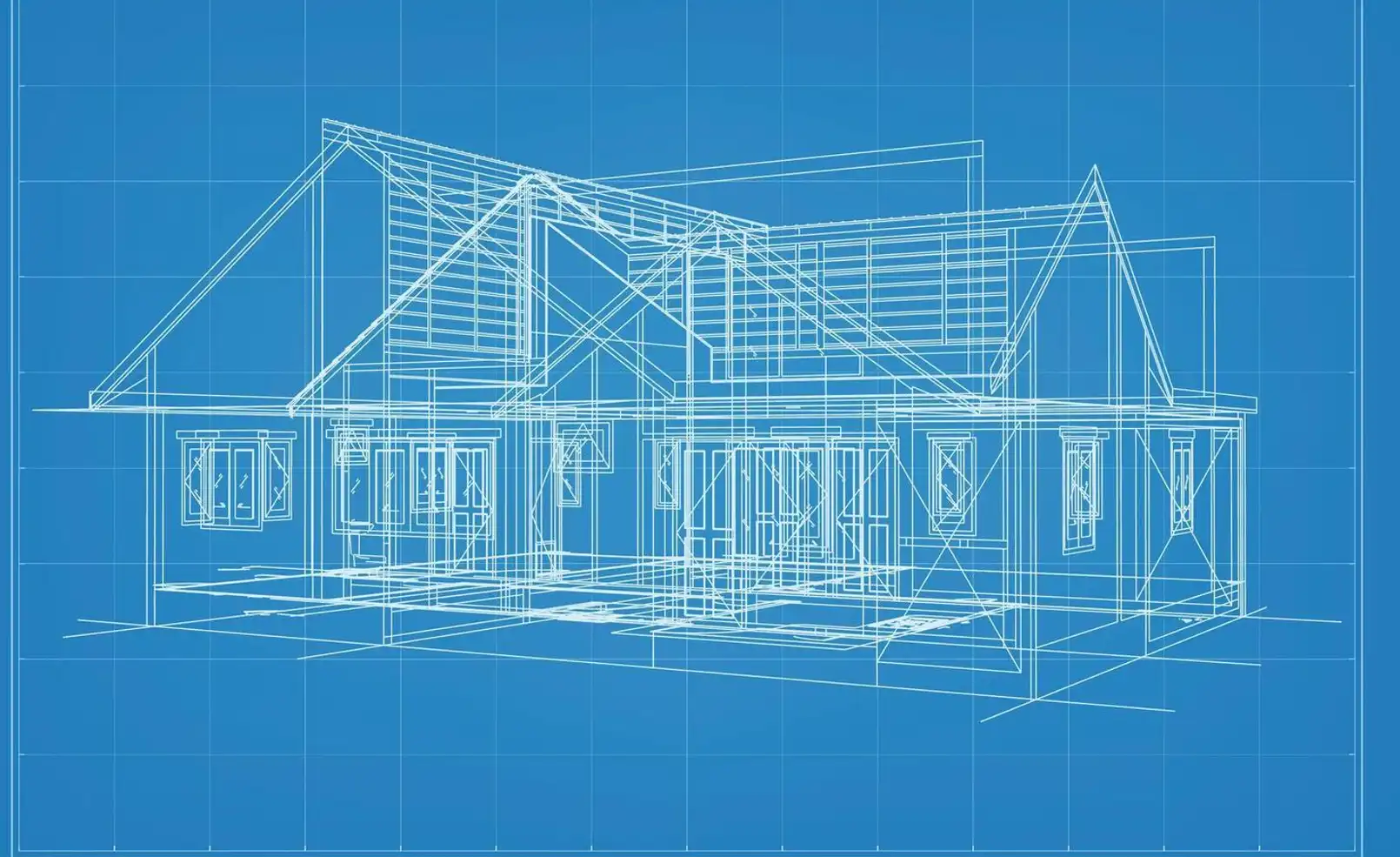
A home exterior does more than frame a building; it tells a story. The first impression a property creates often begins before anyone steps through the front door. From the roofing above to the landscaping below, every detail shapes comfort, reflects personal taste, and plays a role in property value. A well-maintained exterior not only makes daily living more enjoyable but also strengthens curb appeal, which can be a significant advantage in real estate.
At its core, a thoughtfully designed home exterior combines function with beauty. It shields the household from the elements while also creating a welcoming atmosphere for family, friends, and neighbors. Investing time and energy into improvements here can transform an ordinary house into a striking residence with character and charm.
Key Elements of a Home Exterior
Breaking down a home exterior into its essential components makes it easier to approach upgrades or renovations. Each feature has its own role in performance, style, and maintenance:
- Roofing
The roof protects everything beneath it, so durability should always be a priority. Materials like asphalt shingles, clay tiles, and metal roofing each offer different levels of longevity and style. While asphalt is cost-effective, clay tiles provide elegance and metal roofing offers strength against extreme weather. Regular inspections every season help spot small issues before they escalate. - Siding
Siding shapes much of the exterior design and acts as a weather shield. Vinyl is a budget-friendly option with minimal upkeep, while wood delivers timeless appeal but requires consistent maintenance. Fiber cement blends the best of both, resisting rot and insects while mimicking the look of natural materials. Choosing siding color is also a chance to add personality to the home exterior without overwhelming the architecture. - Windows and Doors
These features are the eyes and gateways of a home. Energy-efficient windows not only cut utility costs but also improve comfort inside. Entry doors should balance security with aesthetic charm; options like solid wood or fiberglass provide both durability and warmth. Adding stylish shutters or glass details can further enhance curb appeal. - Landscaping
Greenery and outdoor living spaces give balance to hard architectural lines. Simple additions such as flower beds, stone pathways, or low-maintenance shrubs create character. For those wanting more functionality, outdoor kitchens, patios, or decks can extend living areas into the open air. Seasonal plantings also refresh the home’s appearance throughout the year. - Lighting
Exterior lighting does more than improve safety; it sets the mood. Soft pathway lights, accent fixtures highlighting trees or walls, and porch lighting all create warmth and visibility. Smart lighting systems are becoming increasingly popular, offering convenience and energy efficiency while elevating nighttime curb appeal.
Practical Tips for Enhancing a Home Exterior
Improving an exterior doesn’t always require a massive budget or full-scale renovation. Practical steps can gradually elevate the look and performance of a property:
- Budget-Friendly Touches: Painting the front door, updating house numbers, or planting seasonal flowers can make a noticeable difference without significant cost.
- Mid-Range Upgrades: Replacing outdated siding, installing new windows, or adding a deck offers long-lasting improvements that balance cost and value.
- Premium Transformations: Custom stonework, high-end roofing, or smart outdoor living features like built-in grills or water features add sophistication and long-term appeal.
Maintenance is equally important. Seasonal tasks such as cleaning gutters, power-washing siding, sealing wood decks, and checking roof shingles extend the life of exterior features. A yearly routine prevents expensive repairs while keeping the property looking polished.
Choosing Materials and Planning Improvements
Every exterior decision influences durability, comfort, and overall aesthetic. Here are a few considerations:
- Climate Compatibility: Materials should withstand local weather conditions. Metal roofing is excellent for areas with heavy snow, while stucco suits drier regions.
- Energy Efficiency: Windows, insulation, and siding all contribute to heating and cooling performance. Choosing energy-conscious options can reduce long-term costs.
- Style Harmony: Exterior design works best when features complement each other. A rustic wood siding may pair beautifully with stone landscaping, while sleek modern finishes align with minimalist lighting and clean-lined windows.
When it comes to execution, homeowners can either hire contractors or tackle some projects as DIY ventures. Professionals are best for roofing, major siding installations, and electrical work, while smaller updates like painting, planting, or fixture changes can often be managed independently. Asking for multiple contractor quotes ensures fair pricing and quality service.
Viewing the Home Exterior as an Investment
A home exterior is more than decoration; it’s a long-term investment in protection, comfort, and financial value. Small changes add charm, while larger projects create lasting impact. Beyond numbers and property listings, a welcoming exterior also fosters pride of ownership and enriches daily life.
As with any investment, the rewards come from consistent attention and thoughtful planning. Whether choosing to refresh a few details or embark on a major renovation, every step strengthens both function and appeal. The blueprint to stunning exteriors is not about following trends blindly—it’s about creating a space that feels timeless, durable, and truly reflective of the people who live there.