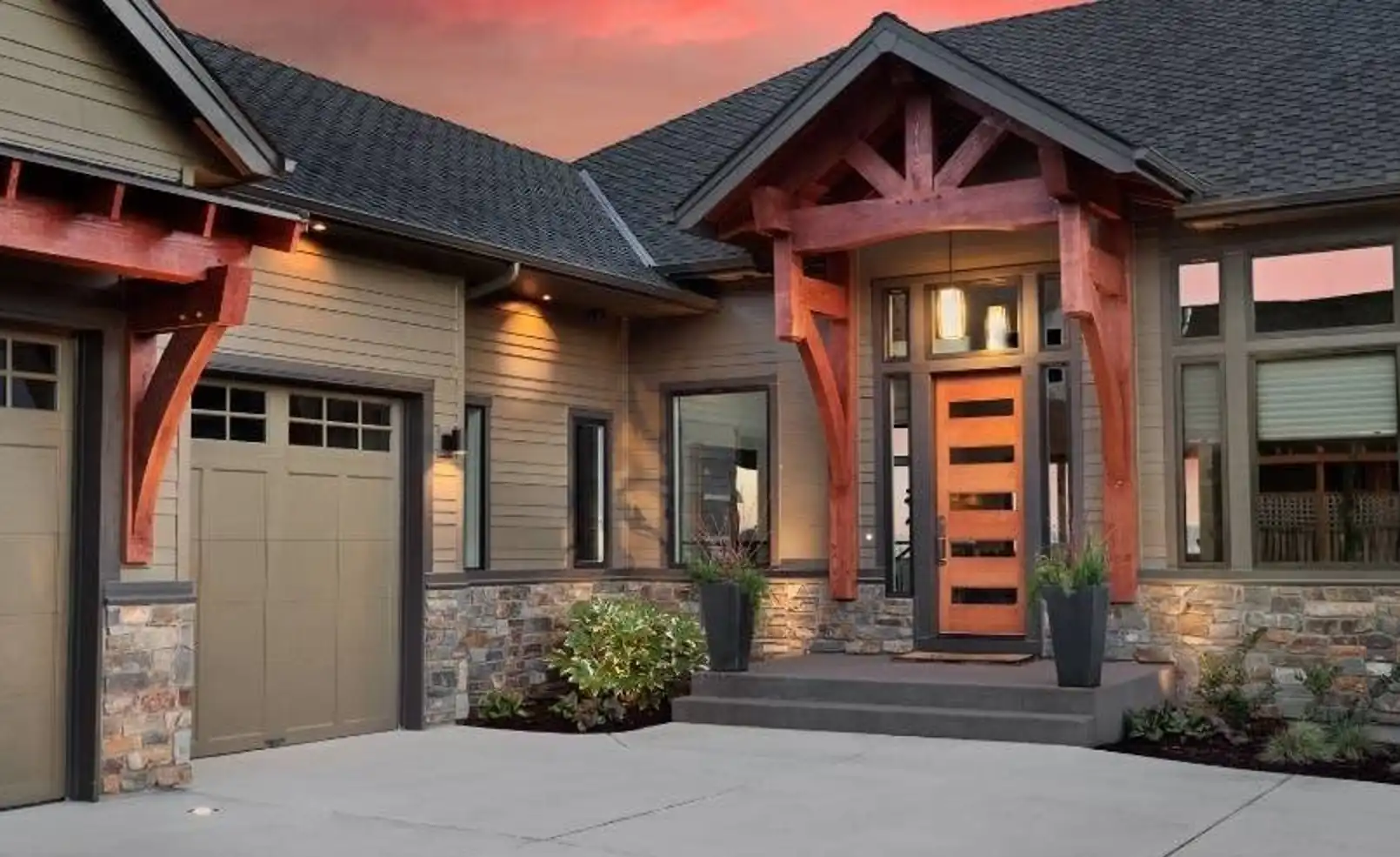
A home’s exterior is the very first thing people notice — it sets the tone, reveals personality, and creates an instant impression. That’s why residential exterior painting plays such an essential role in architecture and home renovation. Beyond just color, it’s about creating harmony between design elements, materials, and surroundings. A well-painted exterior doesn’t just protect the structure; it elevates the home’s overall aesthetic and curb appeal.
In the modern real estate world, exterior design and painting can significantly increase property value. A carefully chosen color palette and design concept can make an ordinary house look extraordinary — turning it into a statement of style and sophistication. For homeowners, it’s not just about appearance; it’s about expressing identity, evoking emotion, and creating a welcoming atmosphere before anyone even steps inside.
Key Elements of Exterior Home Design
When planning a residential exterior painting project, understanding the main design elements is essential. These components work together to create balance, function, and beauty.
| Element | Description | Impact on Design |
|---|---|---|
| Facade | The face of the building, including walls and architectural details | Defines the home’s character and primary visual identity |
| Doors & Windows | Entry points and light sources | Influence symmetry, proportion, and the overall tone of the house |
| Materials | Wood, stone, stucco, metal, brick, etc. | Affect texture, durability, and paint compatibility |
| Roofing | Shingles, tiles, or metal sheets | Completes the architectural statement and color balance |
| Lighting | Exterior and landscape lighting | Enhances depth and ambiance during night hours |
| Landscape/Terrace | Greenery, walkways, and gardens | Adds warmth and a natural transition from exterior to interior |
A good design approach ties these elements into a coherent visual narrative. Whether it’s a minimalist modern look or a classic rustic charm, each detail contributes to the story your home tells.
Styles of Residential Exterior Design
Different architectural styles require distinct painting techniques and color strategies. Here’s a comparison of some of the most popular exterior design styles:
| Style | Key Features | Best Paint Colors | Vibe |
|---|---|---|---|
| Modern | Clean lines, flat surfaces, minimal decoration | White, charcoal, and muted neutrals | Sleek, contemporary, urban |
| Classic | Columns, symmetry, ornamental details | Cream, navy blue, olive green | Timeless, elegant, refined |
| Minimalist | Simplicity, open space, light focus | Soft gray, beige, white | Calm, airy, peaceful |
| Rustic | Natural textures, wood, stone finishes | Earth tones, brown, terracotta | Cozy, grounded, natural |
| Mediterranean | Stucco walls, red-tile roofs, arches | Warm whites, sand, and terracotta | Sunny, relaxed, inviting |
Each style carries a unique emotional message. A minimalist white exterior conveys peace and simplicity, while a rustic wooden façade brings warmth and authenticity.
Expert Insights: Balancing Function, Beauty, and Character
Architects and design experts agree that successful residential exterior painting lies in the balance of three core aspects: function, beauty, and character. According to design consultant Laura Bennet, “A good exterior design doesn’t just look beautiful—it must also serve its environment and reflect the homeowner’s lifestyle.”
This means that the choice of paint isn’t only about aesthetics but also about protection — from UV rays, rain, and temperature changes. The perfect color and material combination should harmonize with both the surroundings and the home’s architectural DNA.
The Psychology of Exterior Design
Exterior color and design can have a surprising psychological effect on both homeowners and visitors. Soft tones like beige and light gray evoke calmness and balance, while bolder colors like navy or dark green signal confidence and strength.
From a psychological perspective, the exterior of your home influences how you feel about your space. A clean, well-painted facade can boost pride, comfort, and even motivation. For visitors, it sets the tone for how they perceive your lifestyle — elegant, minimalist, traditional, or modern.
Implementation Codes: Strategies for Effective Exterior Design
Here are some practical “codes” or strategies for implementing a beautiful and functional residential exterior painting project:
- Plan Around Architecture: Let the home’s structure guide your color choices.
- Consider Climate: Choose weather-resistant paints that protect against humidity or sunlight.
- Blend with Surroundings: Harmonize your color scheme with nature and neighboring homes.
- Use Accents Wisely: Highlight features like trims, doors, or shutters for added character.
- Test Samples First: Always test colors in natural lighting before committing.
- Hire Professionals: Experienced painters understand surface prep and finishing for long-lasting results.
Material and Vendor Comparison
| Material/Service | Advantages | Disadvantages | Popular Vendors |
|---|---|---|---|
| Acrylic Paint | Durable, weather-resistant, fast drying | Can fade under extreme sunlight | Sherwin-Williams, Benjamin Moore |
| Oil-Based Paint | Smooth finish, rich color depth | Longer drying time, stronger odor | Behr, Valspar |
| Latex Paint | Easy to clean, eco-friendly | May need multiple coats | Dunn-Edwards, PPG Paints |
| Professional Painting Services | Quality guarantee, expert color matching | Higher cost | Houzz Pros, Thumbtack Painters |
| DIY Painting Kits | Budget-friendly, customizable | Labor-intensive, less precise | Home Depot, Lowe’s |
Guide to Choosing and Using Exterior Design Services
- Define Your Vision: Identify your preferred style, color palette, and materials.
- Set a Budget: Account for both paint quality and labor.
- Research Providers: Compare portfolios and reviews on trusted platforms like Houzz or HomeAdvisor.
- Request Consultations: Discuss your goals and ask for digital mockups.
- Supervise Implementation: Monitor color consistency and surface preparation.
- Maintain Regularly: Repaint every 5–10 years depending on material and climate.
Comparison of Popular Design Platforms
| Platform | Strengths | Weaknesses | Best For |
|---|---|---|---|
| Houzz | Extensive inspiration gallery, connects homeowners with professionals | Some premium features are paid | Design discovery and contractor matching |
| HomeAdvisor | Verified professionals, transparent quotes | Limited design inspiration | Hiring trusted local service providers |
| Thumbtack | Fast quotes, wide range of services | Quality varies by provider | Budget-friendly homeowners seeking flexible options |
Conclusion
A beautifully executed residential exterior painting project is more than a renovation—it’s a reinvention of your home’s identity. From the first brushstroke to the final finish, each decision shapes how your home is perceived, both by you and the world outside.
In today’s fast-paced housing market, investing in professional exterior design and painting isn’t just about looks; it’s about value, comfort, and pride of ownership. Whether you’re planning to sell or simply want to fall in love with your home again, a well-designed exterior is always worth the effort.
FAQ
1. What is residential exterior painting?
It’s the process of painting and finishing the outer surfaces of a home to protect, enhance, and define its architectural style.
2. How often should I repaint my house exterior?
Typically every 5–10 years, depending on climate, paint quality, and maintenance.
3. What colors increase a home’s curb appeal?
Neutral tones like white, beige, and gray are timeless, while navy or green add sophistication and contrast.
4. Should I hire professionals or paint my home myself?
For large projects or detailed architecture, professionals are recommended to ensure durability and precision.
5. What are current trends in exterior home design?
Modern minimalist palettes, sustainable materials, and matte finishes are currently leading trends in residential exteriors.