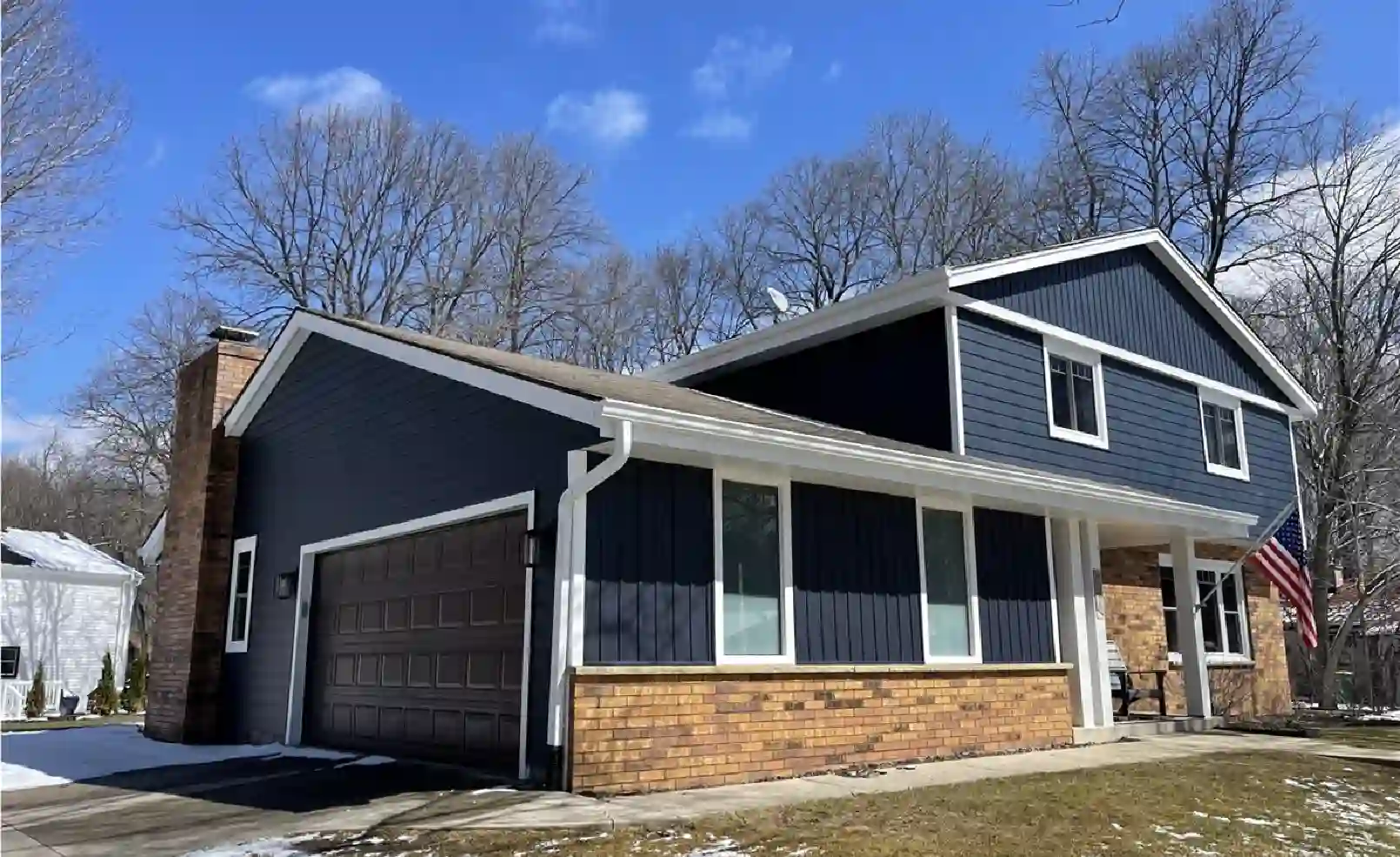
When it comes to making a lasting impression, the exterior design of your home is everything. It’s the first thing guests, neighbors, and even potential buyers notice — the visual statement that sets the tone for everything inside. A well-designed exterior not only creates curb appeal but also reflects your personality, lifestyle, and attention to detail.
In the world of architecture and home renovation, the concept of home sealed exteriors goes beyond mere aesthetics. It’s about crafting a harmonious blend of materials, structure, and design elements that protect your home from the elements while enhancing its overall look and long-term value. From modern minimalist facades to rustic countryside charm, the choices you make in exterior design can dramatically shape your property’s character and worth.
The Key Elements of Home Sealed Exteriors
Every great home exterior design is built on a combination of key elements that work together to create balance, protection, and beauty.
1. Primary Materials
Choosing the right material defines the texture, durability, and personality of your home. Common options include:
- Brick and Stone: Classic, timeless, and durable — ideal for traditional or rustic styles.
- Wood and Composite: Brings warmth and natural charm; works beautifully in modern or cottage-style designs.
- Stucco and Concrete: Clean, minimalist, and low-maintenance; great for contemporary homes.
- Metal Panels or Siding: Sleek and industrial; adds a modern touch with high weather resistance.
2. Architectural Styles
Different architectural styles influence how materials, shapes, and colors are combined.
| Style | Key Characteristics | Ideal For |
|---|---|---|
| Modern | Flat roofs, sharp lines, large glass windows | Urban homes seeking simplicity and openness |
| Classic/Colonial | Symmetry, pillars, detailed molding | Homeowners valuing tradition and elegance |
| Minimalist | Neutral tones, functional design, no clutter | Small spaces or contemporary city houses |
| Rustic | Natural wood, stone, earthy palette | Countryside or mountain homes |
| Mediterranean | Terracotta roofs, stucco walls, arches | Warm climates and seaside properties |
3. Core Components
A complete exterior design involves more than just walls and paint. Key features include:
- Facade: The “face” of your home, where architectural expression meets personal taste.
- Windows and Doors: Frame the design and influence natural light, ventilation, and visual balance.
- Lighting: Enhances beauty, security, and nighttime ambiance.
- Garden and Landscape: Adds life, freshness, and a sense of continuity between indoors and outdoors.
The Meaning Behind Great Exterior Design
A well-thought-out exterior isn’t just about looks — it’s about communication and protection. In architectural symbolism, the exterior acts as a “shield” — representing safety, identity, and belonging. The concept of home sealed exteriors embodies this philosophy, emphasizing not just a beautiful façade but also insulation, energy efficiency, and resilience against weather changes.
Architectural expert Lisa Hartwell, a home design consultant with over 15 years of experience, explains:
“An effective exterior design finds the perfect balance between form and function. It’s not just about the walls you see, but how those walls protect, connect, and express who you are.”
The Psychology of Exterior Design
From a psychological perspective, your home’s exterior has a profound impact on how you feel and how others perceive your space. Clean lines, warm tones, and natural textures tend to evoke feelings of calmness and security, while cluttered or poorly lit exteriors can cause subconscious stress.
Design psychology suggests that when homeowners invest in creating a harmonious and sealed exterior, they also invest in emotional comfort. It enhances pride of ownership, boosts confidence, and even contributes to a sense of well-being.
Code of Practice: Strategies for Effective Exterior Design
Here are actionable strategies to help you achieve a functional and visually stunning home exterior:
| Strategy | Purpose | Practical Tip |
|---|---|---|
| Balance materials and color tones | To maintain visual harmony | Combine warm natural tones with one bold accent color |
| Use layered lighting | To enhance safety and aesthetics | Mix ambient, task, and accent lights |
| Incorporate greenery | To soften hard edges | Use climbing plants, hedges, or vertical gardens |
| Prioritize durability | To reduce maintenance | Choose weatherproof materials like fiber cement or composite wood |
| Consult professionals | To maximize efficiency | Work with certified architects or exterior designers |
Detailed Comparison: Architectural Styles and Their Benefits
| Architecture Type | Materials Commonly Used | Main Benefits | Popular Vendors/Design Services |
|---|---|---|---|
| Modern Minimalist | Concrete, metal, glass | Clean aesthetic, low maintenance | Houzz, Thumbtack |
| Classic Colonial | Brick, wood, stone | Elegant, long-lasting, high resale value | HomeAdvisor, Houzz |
| Rustic Natural | Timber, stone, reclaimed wood | Cozy, eco-friendly | HomeAdvisor, local craftsmen |
| Mediterranean | Stucco, terracotta, limestone | Warm tones, energy-efficient | Thumbtack, regional design firms |
| Contemporary Fusion | Mix of metal, glass, and wood | Trendy, customizable | Houzz, ModernistDesigns |
How to Choose and Use Exterior Design Services
Step-by-Step Planning Guide
- Assess Your Home’s Structure and Climate Needs – Consider sun exposure, rainfall, and wind direction.
- Define Your Style Preference – Collect reference images from design platforms like Houzz or Pinterest.
- Set a Budget – Include both material and labor costs.
- Consult a Professional Designer – They can translate your vision into functional plans.
- Supervise Implementation – Monitor progress to ensure design accuracy and quality results.
Tips for Selecting the Right Service
- Check Portfolio: Look for diversity and real client results.
- Read Reviews: Verified testimonials reveal reliability and quality.
- Ask About Materials: Choose firms experienced in energy-efficient and weather-resistant designs.
- Compare Quotes: Evaluate both price and service scope.
Maximizing Renovation Results
To make the most of your exterior renovation:
- Match design elements with your home’s natural surroundings.
- Invest in durable paint and sealants to protect against weather.
- Use smart lighting systems to enhance the nighttime appeal.
Comparing Popular Exterior Design Platforms
| Platform | Pros | Cons | Best For |
|---|---|---|---|
| Houzz | Huge inspiration library, verified professionals, user-friendly interface | Premium plans can be pricey | Homeowners who want design ideas and vetted experts |
| HomeAdvisor | Easy quote comparison, nationwide coverage | May include general contractors rather than specialists | Those focused on finding reliable builders quickly |
| Thumbtack | Flexible project matching, budget-friendly options | Quality varies by location | DIY homeowners seeking affordable help |
Conclusion
A home sealed exterior is more than a design choice — it’s a statement of durability, identity, and care. By blending material quality, architectural balance, and psychological comfort, you can transform your house into a sanctuary that feels as good as it looks.
Whether you’re building from scratch or upgrading your old façade, investing in professional design services ensures that every detail — from texture to tone — works together harmoniously. With the right guidance and planning, your home exterior can truly stand out as a reflection of timeless beauty and modern resilience.
Frequently Asked Questions (FAQ)
1. What does “home sealed exterior” mean?
It refers to a design approach that combines visual appeal with practical sealing techniques to protect a home from moisture, heat, and environmental damage.
2. How can a good exterior design increase property value?
Aesthetic improvements and durable materials boost curb appeal, attracting buyers and increasing resale value.
3. Which exterior materials are best for tropical climates?
Fiber cement, treated wood, and UV-resistant paints are ideal for humid or sunny regions.
4. Is hiring a professional designer worth it?
Yes. Professionals help you avoid costly mistakes, select durable materials, and ensure design cohesion.
5. What are current trends in exterior home design?
Modern homes favor eco-friendly materials, minimalist designs, and seamless indoor-outdoor integration.
6. How do I maintain my home’s exterior long-term?
Regular cleaning, repainting every 5–7 years, and checking for sealant or structural wear help maintain beauty and protection.