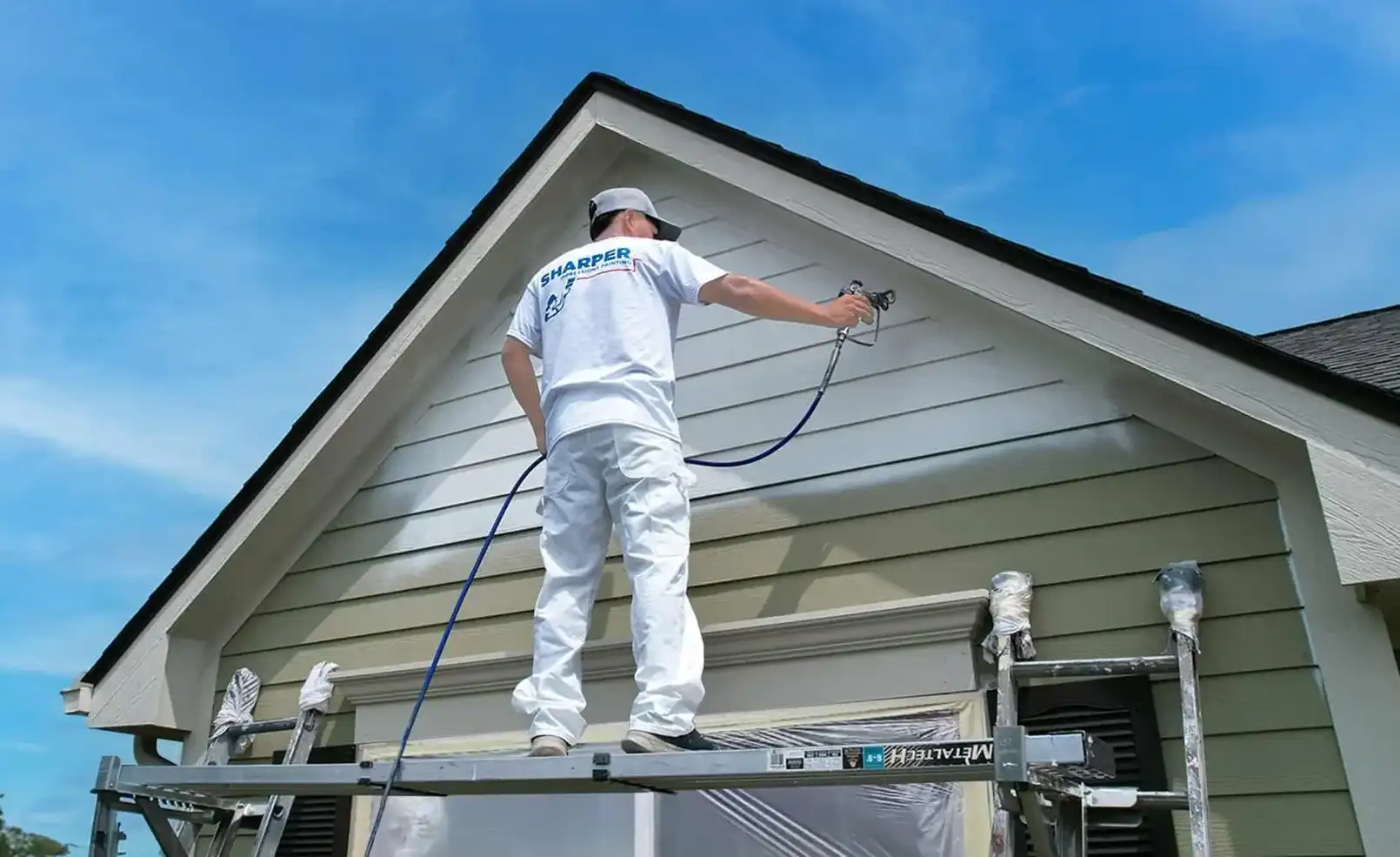
When it comes to creating a stunning first impression, your home’s exterior design plays a vital role. The exterior is the face of your property—the first thing visitors, neighbors, and potential buyers notice. From the color of your trim to the architectural details on your façade, every element contributes to the overall aesthetic and personality of your home.
Beyond mere appearance, a well-planned exterior design can significantly increase your home’s market value. Painting your exterior trim, for example, might seem like a small upgrade, but it can completely refresh the look of your home. Understanding the cost to paint exterior trim of house not only helps you plan your renovation budget but also highlights how small design touches can make a big difference in curb appeal and property worth.
Key Elements of a Home’s Exterior Design
A great exterior design is more than just a coat of paint—it’s a composition of elements that work together to form harmony and character. Here are some of the most important components:
- Main Material: Brick, stucco, wood, vinyl siding, or stone define the home’s texture and tone.
- Architectural Style: Influences the layout, form, and detailing of the structure.
- Trim and Accents: These highlight edges, windows, and doors, adding depth and contrast.
- Doors and Windows: Key focal points that balance functionality and visual interest.
- Landscaping: Complements the structure and creates a natural frame.
- Exterior Lighting: Enhances visibility, mood, and safety at night.
Each of these features contributes to the aesthetic, functionality, and energy efficiency of the home.
Understanding the Meaning of Good Exterior Design
A well-designed exterior represents the perfect balance between beauty and practicality. It’s not just about style—it’s about creating a space that feels inviting, durable, and cohesive. Architects often emphasize the “dialogue” between materials, colors, and environment.
Here’s a simple table comparing popular architectural styles and their defining features:
| Style | Materials | Characteristics | Best For |
|---|---|---|---|
| Modern | Glass, steel, concrete | Clean lines, flat roofs, minimal detail | Urban and contemporary homes |
| Classic | Brick, wood, stone | Symmetry, decorative trim, columns | Traditional or heritage properties |
| Minimalist | Stucco, fiber cement | Simple, neutral colors, no clutter | Small or modern houses |
| Rustic | Natural wood, stone | Earthy tones, raw textures, cozy vibe | Country or mountain homes |
Expert Views: Balancing Function and Beauty
Architectural experts agree that an effective exterior design should reflect both aesthetics and practicality. A home’s façade is like a story—it communicates lifestyle, taste, and values.
According to design consultant Michael Harrington, “A well-balanced exterior combines visual rhythm and proportion. Trim colors, textures, and lighting can completely transform the energy of a house.”
Professional painters and designers also highlight that the cost to paint exterior trim of house depends not only on size and complexity but also on the design goals. Investing in high-quality paint and professional craftsmanship ensures durability against weather and maintains visual appeal for years.
Psychological Perspective: How Exterior Design Affects Mood
The way your house looks from the outside can impact not just others’ perceptions but also your own feelings. Modern design psychology suggests that certain colors and architectural styles can evoke emotions:
- White and Gray tones create calmness and sophistication.
- Blue and Green exteriors suggest tranquility and harmony with nature.
- Bold colors like red or black give confidence and personality.
Homeowners who live in visually pleasing environments often experience higher satisfaction and pride of ownership.
Practical Strategies for a Great Exterior Design
Instead of thinking about “luck” or “chance,” let’s look at practical design codes—real strategies that guarantee good results:
- Choose a cohesive color palette. Make sure trim, walls, and roof colors complement each other.
- Use durable, weather-resistant materials. Especially for trims and siding.
- Balance light and shadow. Add exterior lighting to highlight textures.
- Maintain symmetry. Create balance through door placement, window size, and garden layout.
- Invest in professional services. A skilled painter or designer can bring your vision to life efficiently.
Data Overview: Styles, Materials, and Benefits
| Category | Popular Materials | Main Benefits | Typical Vendors/Providers |
|---|---|---|---|
| Modern Exteriors | Concrete, steel, glass | Low maintenance, sleek look | Houzz, Thumbtack |
| Rustic Exteriors | Wood, stone, clay | Natural warmth, eco-friendly | HomeAdvisor, Angi |
| Minimalist Design | Stucco, metal panels | Clean aesthetic, affordable upkeep | TaskRabbit, HomeAdvisor |
| Traditional Homes | Brick, timber, shingles | Timeless appeal, high durability | Houzz, Yelp |
How to Use Professional Exterior Design Services
Step 1: Plan and Budget
Start by identifying which parts of your home need attention. Calculate the cost to paint exterior trim of house, and compare prices across local contractors.
Step 2: Research and Select the Right Service
Check online reviews, portfolios, and credentials. Choose designers or painters who specialize in your desired style.
Step 3: Design Consultation
Discuss your vision, preferred colors, and materials. Professionals can create mockups or 3D renderings to visualize the outcome.
Step 4: Implementation and Supervision
Once work begins, ensure the design remains faithful to the plan. Regular check-ins maintain quality control.
Step 5: Maintenance and Evaluation
After completion, establish a maintenance schedule to protect the paint and exterior materials from wear and tear.
Comparing Popular Design and Contractor Platforms
| Platform | Advantages | Disadvantages |
|---|---|---|
| Houzz | Great for inspiration and professional networks | Some premium services can be expensive |
| HomeAdvisor | Verified contractors and user reviews | Regional availability may vary |
| Thumbtack | Fast quotes and flexible pricing options | Quality varies between providers |
Conclusion
Your home’s exterior is not just a shell—it’s an expression of identity, craftsmanship, and care. Whether you’re repainting your trim or redesigning the entire façade, every design choice shapes how your home is perceived and how it makes you feel.
By understanding the cost to paint exterior trim of house and the principles of good exterior design, you can make smarter, more meaningful renovation decisions. Collaborating with professionals ensures both beauty and durability, transforming your home into a lasting reflection of style and comfort.
FAQ
1. What factors affect the cost to paint exterior trim of a house?
The main factors include house size, trim material, paint quality, labor costs, and regional pricing.
2. How often should exterior trim be repainted?
Typically every 5–7 years, depending on weather exposure and paint quality.
3. What’s the best color for exterior trim?
Neutral tones like white, beige, or gray are timeless, while bold contrasts can add modern flair.
4. Does repainting the trim increase home value?
Yes, a fresh coat of paint can enhance curb appeal and improve perceived property value.
5. How do I choose the right professional service?
Look for licensed, reviewed contractors with portfolios of similar projects and clear cost estimates.