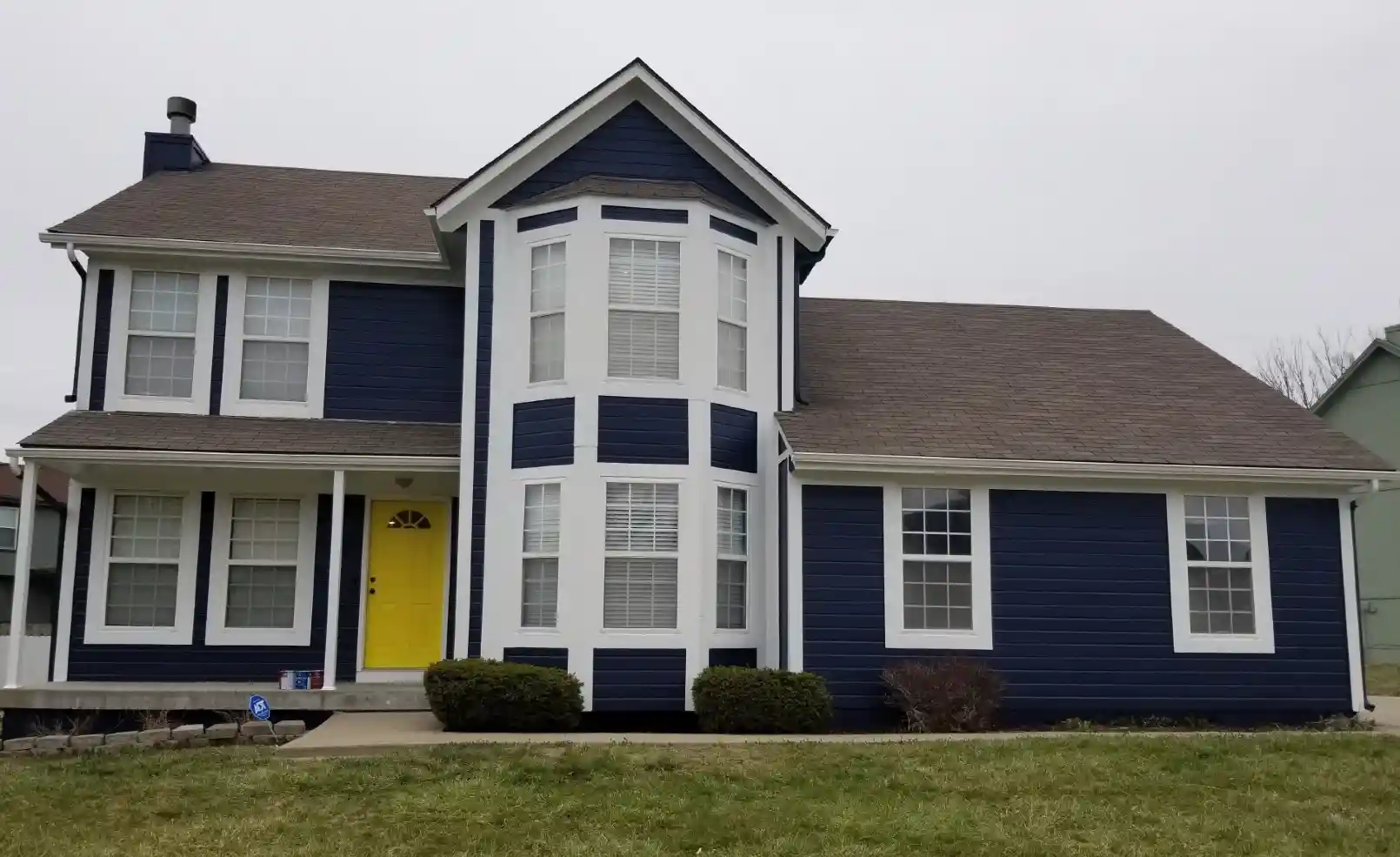
A home’s exterior design is more than just paint and walls—it’s the very first thing that defines your property’s character and charm. The façade, color palette, and texture choices all work together to create an image that speaks volumes about the homeowner’s personality and taste. Whether you’re planning a renovation or simply updating your house’s paint, the right exterior design can completely redefine how your home is perceived from the street.
In the world of architecture and renovation, investing in exterior aesthetics has become essential. Not only does a well-designed exterior boost curb appeal, but it can also significantly increase property value. According to Homewyse exterior painting estimates, repainting and updating your home’s exterior can provide one of the highest returns on investment among home improvement projects—offering both beauty and financial benefit in one strategic upgrade.
Key Elements of Exterior Home Design
Exterior home design is a balance between functionality, style, and environment. The main elements that define a house’s exterior character include:
- Facade and Structure: The front face of the building—its proportion, lines, and symmetry—set the overall tone.
- Doors and Windows: These define rhythm and balance while allowing natural light and ventilation.
- Materials: From natural stone to vinyl siding or wood panels, the material choice greatly affects texture and longevity.
- Roof Design: Shape, slope, and color of the roof enhance harmony and define architectural style.
- Landscaping and Lighting: Outdoor greenery and strategic illumination frame the home and complete its visual story.
These elements work together as a visual composition that blends art and engineering. A poor material choice or mismatched color can disrupt this harmony, while thoughtful coordination can elevate even a simple house into an architectural statement.
Styles of Exterior Architecture
Different architectural styles influence how homes feel and function. Below is a comparison of popular exterior design styles and their defining features:
| Style | Main Materials | Key Features | Overall Impression |
|---|---|---|---|
| Modern | Concrete, Glass, Metal | Clean lines, flat roofs, large windows | Sleek and minimalist |
| Classic | Brick, Stucco, Marble | Columns, arches, and symmetry | Elegant and timeless |
| Minimalist | Concrete, Neutral tones | Simple shapes, uncluttered facades | Calm and contemporary |
| Rustic | Wood, Stone, Brick | Natural materials, earthy colors | Warm and inviting |
| Mediterranean | Stucco, Terracotta tiles | Arched windows, balconies | Bright, open, and airy |
Each style tells a unique story. For instance, a modern exterior projects sophistication and simplicity, while a rustic design conveys warmth and connection to nature.
The Meaning Behind a Good Exterior Design
A well-executed exterior design does more than please the eyes—it communicates identity and comfort. According to many architectural experts, a home’s exterior should reflect its environment and the lifestyle of its inhabitants. Good design blends with the landscape, optimizes natural light, and creates visual balance.
Architectural Insight:
“Exterior design is the handshake of your home—it’s what introduces you to the world,” says Mark Ellison, an architectural designer specializing in residential projects. “It must balance beauty with purpose—what you see should not only be appealing but functional in structure and form.”
Thus, a successful exterior design should harmonize durability, climate adaptation, and aesthetics.
The Psychology of Exterior Design
The design of a home’s exterior can subtly affect how people feel within and around it. From the psychology of color to the shape of architectural lines, these design elements can evoke emotions and influence mood.
- Warm Colors (Beige, Terracotta, Brown): Create comfort and familiarity.
- Cool Colors (Gray, Blue, White): Promote calm and openness.
- Symmetrical Facades: Encourage feelings of stability and trust.
- Natural Materials: Provide grounding and warmth, making occupants feel connected to nature.
From a modern psychological perspective, an appealing exterior can even impact social perception—neighbors and visitors tend to view well-maintained homes as welcoming and trustworthy.
Practical Strategies for Effective Exterior Design
Below are actionable strategies (or “codes of practice”) for achieving the perfect home exterior:
- Start with a Vision Board: Collect references and visualize your ideal look.
- Balance Proportion: Align windows, doors, and façade elements for symmetry.
- Choose Climate-Appropriate Materials: Durability should match local weather conditions.
- Use the Homewyse Exterior Painting Calculator: Estimate painting costs and materials before beginning.
- Plan Outdoor Lighting: Highlight architectural lines and pathways.
- Don’t Overdecorate: Keep it clean—less is more.
By following these principles, homeowners can ensure their exterior renovation projects are efficient, aesthetic, and durable.
Data Table: Architectural Styles and Their Benefits
| Architecture Style | Primary Material | Key Benefit | Maintenance Level | Popular Vendors / Platforms |
|---|---|---|---|---|
| Modern Minimalist | Concrete, Metal | Easy maintenance | Low | Homewyse, Houzz |
| Colonial Classic | Brick, Stucco | Adds prestige and value | Medium | HomeAdvisor, Thumbtack |
| Rustic Natural | Wood, Stone | Eco-friendly and cozy | Medium–High | Houzz, Angie’s List |
| Mediterranean | Stucco, Clay Tiles | Great for warm climates | Medium | Homewyse, Houzz, HomeAdvisor |
How to Use Professional Exterior Design Services
Renovating or repainting your home’s exterior can be complex—but with the right steps, it becomes manageable:
- Initial Consultation: Define your goals, style, and budget.
- Design Phase: Work with architects or designers to draft concepts.
- Estimate Costs: Use Homewyse exterior painting tools to compare costs and timelines.
- Choose Reliable Contractors: Verify licenses, reviews, and portfolios on platforms like Houzz or HomeAdvisor.
- Execution and Supervision: Ensure materials and colors match your agreed design.
- Final Touches: Add details like lighting, plants, or trim color to enhance appeal.
Comparison of Popular Design Platforms
| Platform | Strengths | Weaknesses |
|---|---|---|
| Houzz | Extensive inspiration library, pro recommendations | Can be overwhelming for first-time users |
| HomeAdvisor | Verified contractors and service guarantees | Interface is less design-oriented |
| Thumbtack | Fast quotes and easy matching with professionals | Quality varies depending on local providers |
Each platform serves a slightly different purpose—Houzz focuses on inspiration, HomeAdvisor on verified professionals, and Thumbtack on accessibility and convenience.
Conclusion
Your home’s exterior is not just a shell—it’s the public face of your private world. Through thoughtful design, the right paint, and quality craftsmanship, you can turn an ordinary house into an architectural masterpiece that reflects who you are. Homewyse exterior painting estimates and tools make this process smoother by helping you plan your project efficiently.
Investing in professional exterior design is an investment in pride, comfort, and long-term property value. Whether you’re renovating, selling, or simply beautifying, your home deserves a look that stands the test of time and makes every passerby stop for a second glance.
Frequently Asked Questions (FAQ)
1. What is Homewyse exterior painting?
It’s a cost estimation tool that helps homeowners calculate the budget and materials required for exterior painting and renovation projects.
2. Why is exterior design important for homes?
Because it creates the first impression, enhances property value, and reflects the homeowner’s style and personality.
3. What are the latest trends in exterior home design?
Minimalist facades, sustainable materials, neutral palettes, and energy-efficient windows are trending in modern architecture.
4. How can I choose the right design service?
Look for certified professionals with strong portfolios and client reviews on trusted platforms like Houzz or HomeAdvisor.
5. How often should I repaint my home’s exterior?
Typically every 5–10 years, depending on the material, paint quality, and weather conditions.