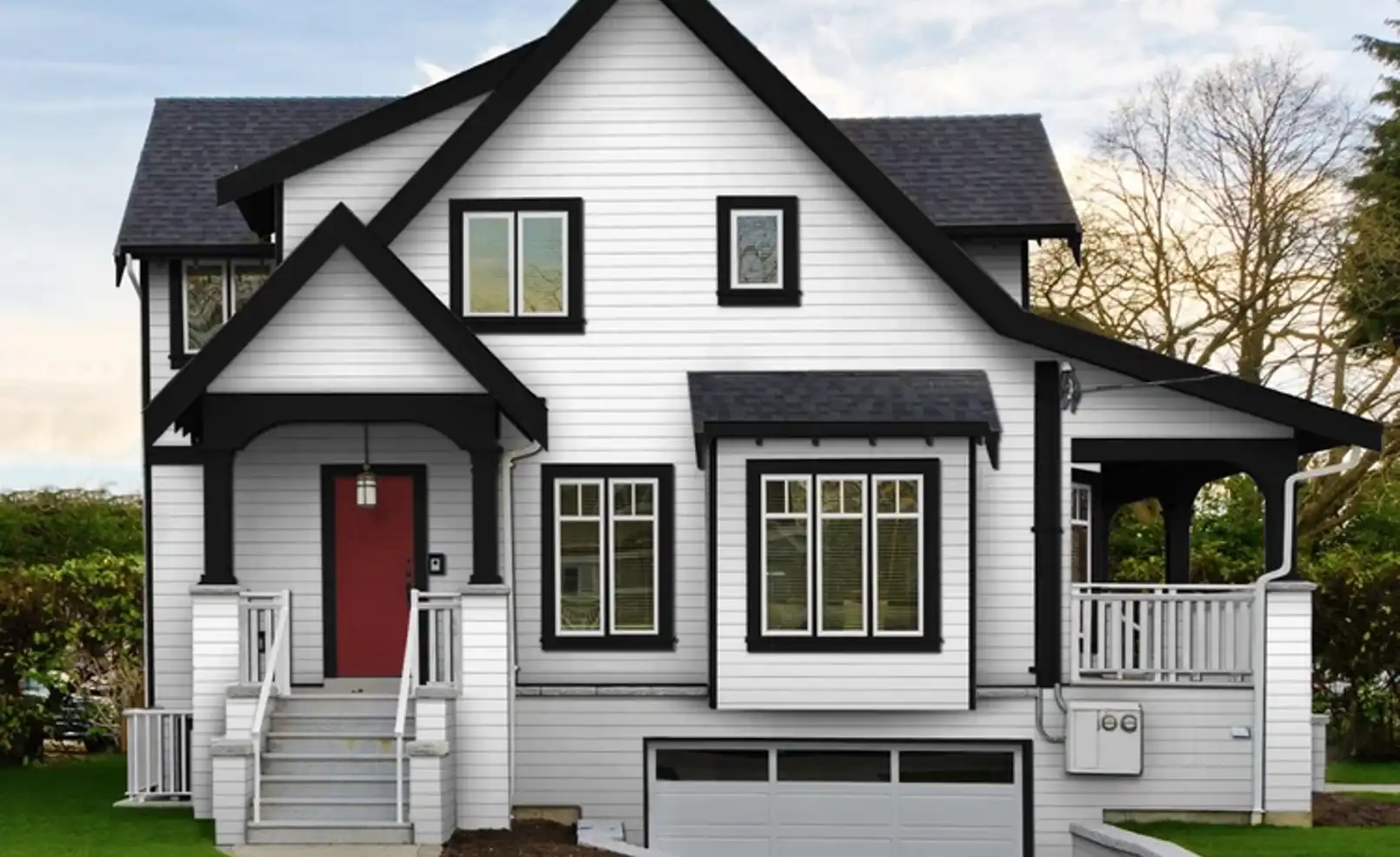
Your home’s exterior is more than just a facade—it’s the first impression people get when they visit or even pass by. A well-designed exterior remodel can completely transform how your home feels and functions, creating harmony between beauty, structure, and comfort. It’s also one of the most powerful ways to boost your property’s curb appeal and resale value.
Beyond aesthetics, exterior remodeling reflects the personality of the homeowner. The right design approach can balance functionality, sustainability, and style, making the home not only look appealing but also feel welcoming and timeless. Whether you’re upgrading for personal satisfaction or preparing to sell, a strategic exterior remodel can dramatically enhance your property’s value and atmosphere.
Key Elements of a Successful Exterior Remodel
A great exterior remodel relies on a blend of materials, structure, and design principles that align with both your lifestyle and the home’s architecture. Here are some essential components:
- Facade: The main visual element that sets the tone of your home. Materials such as brick, stone, wood, or stucco can drastically affect style and durability.
- Roofing: Shapes and materials—from asphalt shingles to metal panels—impact the character and longevity of your exterior.
- Doors and Windows: Serve as both functional and aesthetic bridges between indoor and outdoor spaces. Their placement and design greatly affect symmetry and energy efficiency.
- Landscaping and Garden: A lush, well-planned landscape adds softness and depth, while walkways and outdoor furniture enhance livability.
- Lighting: Exterior lighting not only improves safety but also highlights architectural details, creating ambiance after dark.
Architectural Styles and Their Characteristics
Every architectural style carries its own symbolism and design philosophy. Understanding these helps homeowners choose the right look that reflects their taste and fits the surrounding environment.
| Style | Description | Common Materials | Key Features |
|---|---|---|---|
| Modern | Sleek, minimal, and focused on simplicity. | Glass, concrete, steel | Flat roofs, large windows, clean lines |
| Classic/Colonial | Traditional and timeless with strong symmetry. | Brick, wood, stone | Columns, shutters, central doors |
| Minimalist | Less is more—emphasizing open space and function. | Stucco, glass, natural wood | Neutral tones, simple textures |
| Rustic | Warm, natural, and cozy. | Timber, stone, reclaimed materials | Exposed beams, earthy colors |
| Mediterranean | Inspired by coastal villas. | Stucco, terracotta, tile | Arched windows, red roofs, courtyards |
A successful exterior remodel doesn’t just copy one of these styles—it adapts them to your climate, budget, and lifestyle needs.
Expert Insights on Exterior Design
Architectural experts agree that a strong exterior design balances form, function, and personality. According to architect Michael Graves, “The exterior of a home should express the inside—its rhythm, its energy, its spirit.” Modern designers emphasize the importance of harmony between structure and nature, urging homeowners to consider sustainability through materials and energy-efficient solutions.
Professionals also highlight context—the home should complement its surroundings. For example, a rustic-style remodel might feel out of place in an urban environment, while a minimalist design may fit seamlessly into contemporary neighborhoods.
Psychological and Emotional Impact of Exterior Design
Your home’s exterior doesn’t just influence what others think—it affects how you feel. A well-balanced facade can evoke calm, pride, and comfort. Studies in environmental psychology show that people perceive homes with natural materials (like wood or stone) as more welcoming, while sleek glass-and-steel designs tend to communicate confidence and modernity.
Color psychology also plays a vital role:
- Warm tones (red, beige, brown) suggest warmth and hospitality.
- Cool tones (gray, blue, white) give a sense of cleanliness and modernity.
- Green elements (plants, vines, trees) reduce stress and enhance serenity.
Design Practice Codes and Implementation Strategies
Instead of mystical codes, here are practical strategies to apply when planning your own exterior remodel:
| Strategy | Purpose | Implementation Tip |
|---|---|---|
| Balance form and function | To ensure beauty aligns with usability | Choose materials that are both durable and visually appealing |
| Use natural lighting | To enhance mood and visual comfort | Add large windows and skylights where possible |
| Incorporate sustainability | To reduce environmental impact | Opt for recycled or energy-efficient materials |
| Complement surroundings | To achieve harmony with environment | Match facade tone with nearby landscape |
| Personalize your design | To express individuality | Blend favorite colors, textures, and patterns |
Comprehensive Data Table: Styles, Materials, and Benefits
| Category | Style | Material | Main Benefit | Popular Vendors/Services |
|---|---|---|---|---|
| Facade | Modern | Fiber cement, glass | Low maintenance | James Hardie, Nichiha |
| Roof | Rustic | Metal, shingles | Durable & weather-resistant | GAF, CertainTeed |
| Windows | Minimalist | Aluminum, vinyl | Energy-efficient | Andersen, Pella |
| Landscaping | Mediterranean | Stone, tile | Enhances natural appeal | TruGreen, Yardzen |
| Lighting | Classic | Brass, LED | Aesthetic + safety | Kichler, Philips Hue |
How to Use Exterior Design Services
A professional design service can make your remodeling journey smoother and more effective. Follow these steps to maximize your results:
- Define your goals – Identify whether you want a cosmetic update, full renovation, or energy efficiency improvement.
- Research design inspiration – Use platforms like Pinterest, Houzz, and Instagram for visual ideas.
- Set a realistic budget – Factor in materials, labor, permits, and contingencies.
- Hire the right professionals – Choose designers with experience in your preferred architectural style.
- Review designs collaboratively – Ask for 3D renderings or mood boards to visualize the outcome.
- Plan for maintenance – Select materials and finishes that age gracefully with minimal upkeep.
Comparison of Popular Exterior Design Platforms
| Platform | Strengths | Weaknesses | Best For |
|---|---|---|---|
| Houzz | Huge gallery, verified professionals, design community | Can be overwhelming for beginners | Homeowners seeking visual inspiration |
| HomeAdvisor | Quick contractor matching, reviews | Limited design inspiration tools | Users ready to hire contractors |
| Thumbtack | Easy communication, local focus | Quality varies by area | Small projects or localized work |
Conclusion
An exterior remodel is more than a facelift—it’s a long-term investment in your home’s identity, comfort, and value. By thoughtfully combining materials, styles, and functionality, you can create a space that’s not only visually stunning but also deeply personal.
Whether you prefer a sleek modern look or a cozy rustic charm, a well-executed design will always elevate the way you live and how others perceive your home. Investing in professional exterior design services ensures your project meets both aesthetic and practical goals—helping your home stand out beautifully for years to come.
FAQ
1. What is an exterior remodel?
An exterior remodel involves upgrading or redesigning a home’s outer appearance, including the facade, roof, doors, windows, and landscaping.
2. How much does an exterior remodel cost?
Costs vary depending on size, materials, and design scope, but typical projects range from $10,000 to $70,000 or more.
3. What are the most popular exterior styles today?
Modern minimalism, rustic farmhouse, and contemporary Mediterranean are currently trending.
4. Does an exterior remodel increase home value?
Yes, remodeling the exterior can boost curb appeal and increase property value by up to 15–20%.
5. How do I choose the right design service?
Look for licensed professionals with strong portfolios, client reviews, and experience in your desired architectural style.