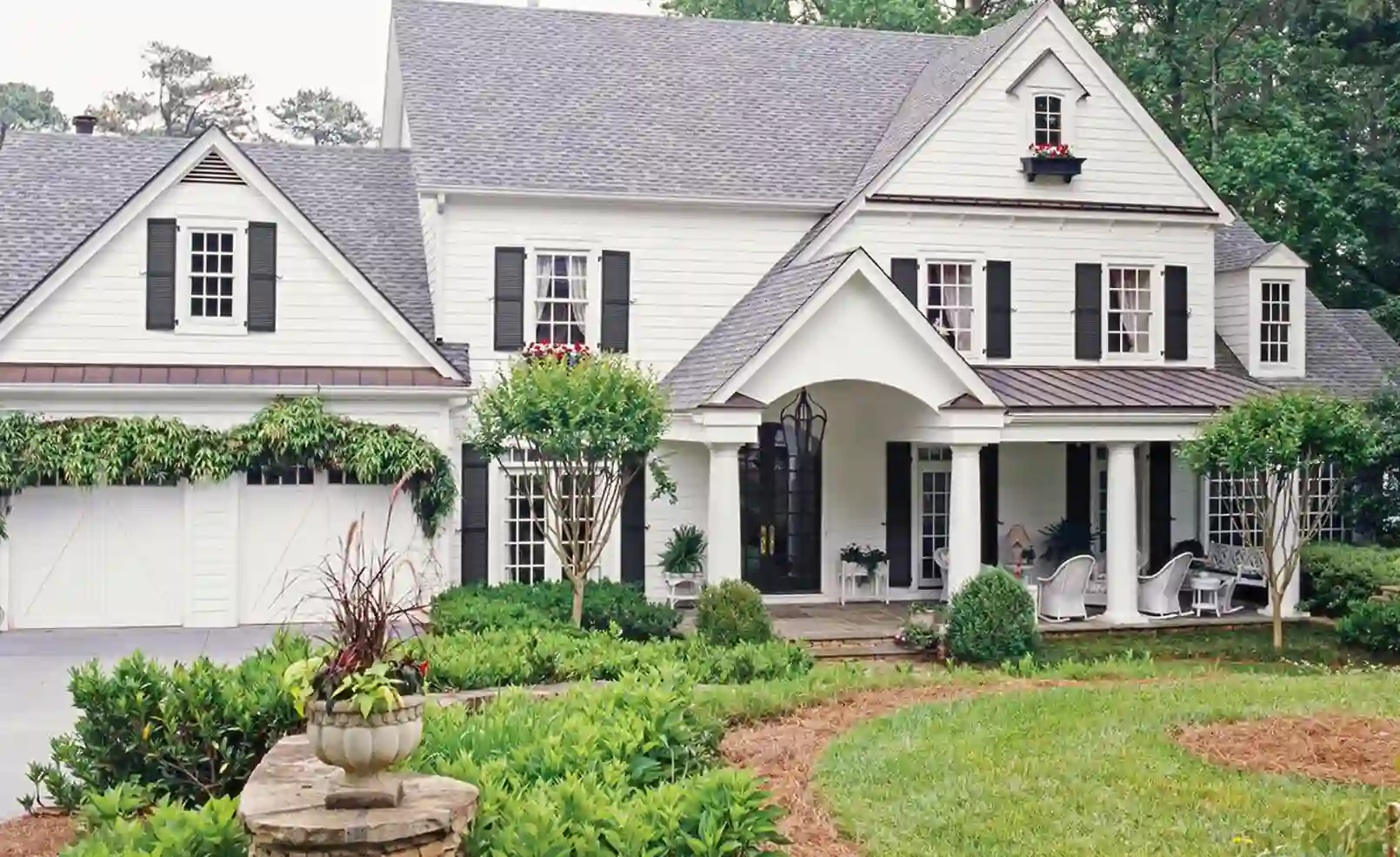
When it comes to making a lasting impression, a home’s exterior plays a far more significant role than most homeowners realize. The exterior design of a house is the first thing people see—it communicates taste, style, and even personality before anyone steps inside. From the texture of the walls to the color of the door, every detail contributes to the overall charm that captivates guests and potential buyers alike.
Beyond aesthetics, exterior renovation is an investment that can dramatically increase a property’s market value. A thoughtfully designed exterior doesn’t just beautify—it enhances energy efficiency, strengthens durability, and creates a welcoming atmosphere. Whether you’re planning to sell your home or simply want to refresh its look, updating your exterior design can be one of the smartest architectural decisions you make.
Key Elements in Exterior Home Design
Designing or renovating a home’s exterior requires a balance of form and function. Every detail, no matter how small, contributes to the overall harmony of the structure. Here are some key elements that define a well-designed exterior:
- Facade: The face of the building that reflects its architectural character.
- Materials: Brick, wood, stone, metal, or stucco—each offers unique textures and tones.
- Doors and Windows: Not just functional; they add rhythm, symmetry, and visual flow.
- Roofing: Shapes like gable, hip, or flat roofs influence both style and drainage.
- Landscape and Garden: Integrates nature with structure, enhancing serenity and curb appeal.
- Lighting: Outdoor lighting highlights architectural features and improves safety.
Popular Architectural Styles in Exterior Renovation
Different architectural styles create distinct impressions and atmospheres. Below is a comparison of some popular styles often used in exterior renovation projects.
| Style | Key Features | Best For | Materials Commonly Used |
|---|---|---|---|
| Modern | Clean lines, flat roofs, open spaces | Urban & minimalist homeowners | Glass, steel, concrete |
| Classic | Columns, symmetry, ornate details | Traditional and timeless homes | Brick, marble, wood |
| Minimalist | Simplicity, neutral tones, functional design | Small or compact spaces | Concrete, wood, neutral colors |
| Rustic | Natural textures, warm tones, rugged look | Country or nature-inspired living | Stone, reclaimed wood, copper |
| Mediterranean | Stucco walls, terracotta roofs, arches | Coastal or sunny climates | Clay tiles, stucco, wood |
A well-chosen style should reflect both the homeowner’s personality and the surrounding environment. The harmony between architecture and nature often determines the success of an exterior renovation project.
The Meaning Behind Good Exterior Design
According to architecture experts, a successful exterior design is one that merges beauty, function, and identity. A home should not only look good but also feel right for those who live in it.
Architectural consultant James Porterfield explains, “The best exteriors are those that tell a story — a story of lifestyle, values, and aspirations. Design isn’t just about materials and lines; it’s about emotions translated into structure.”
This means an effective design is not only visually appealing but also emotionally resonant, creating a sense of comfort, belonging, and pride for the homeowner.
Psychological Perspective: How Exterior Design Affects Mood
From a psychological point of view, the exterior design of a home influences more than perception—it shapes behavior and emotions. A warm, inviting facade can create feelings of happiness and relaxation, while harsh lines and dull colors may evoke stress or detachment.
Modern psychology in architecture emphasizes the importance of:
- Color Psychology: Earth tones create calm; bright accents energize.
- Symmetry and Balance: Promotes visual harmony and emotional comfort.
- Connection with Nature: Use of plants, wood, and natural textures enhances well-being.
Practical Strategies for Implementing an Effective Exterior Design
To achieve a balanced and functional exterior renovation, consider the following practical “codes of practice” that replace the abstract “lucky numbers” of traditional interpretations:
| Design Strategy | Description | Benefit |
|---|---|---|
| Assess Existing Structure | Evaluate current materials, durability, and structure integrity | Avoid unnecessary costs |
| Align Style with Environment | Choose designs suitable for climate and surroundings | Boosts harmony and longevity |
| Prioritize Functionality | Blend aesthetics with practicality (e.g., insulation, drainage) | Enhances comfort and energy efficiency |
| Use Sustainable Materials | Incorporate eco-friendly and durable materials | Reduces environmental impact |
| Collaborate with Professionals | Work with architects and designers for expert advice | Ensures balanced design execution |
Comprehensive Data Table: Styles, Materials, and Benefits
| Category | Sub-Category | Popular Materials | Key Benefits | Top Vendors / Services |
|---|---|---|---|---|
| Modern | Contemporary | Glass, steel, concrete | Minimalist look, durable | Houzz, ArchDaily, Homify |
| Rustic | Country, Farmhouse | Wood, stone, brick | Natural warmth, cozy atmosphere | HomeAdvisor, BuildZoom |
| Minimalist | Urban Compact | Concrete, metal, light wood | Clean and functional aesthetics | Thumbtack, Angi |
| Classic | Colonial, Victorian | Marble, brick, stucco | Timeless elegance, heritage look | Houzz, DesignCafe |
| Mediterranean | Spanish, Italian | Stucco, terracotta, stone | Airy, sunny, vibrant atmosphere | Houzz, Homify |
Step-by-Step Guide to Using Exterior Design Services
- Define Your Goals – Identify what you want to achieve (modernization, repair, or resale value).
- Set a Budget – Plan realistically to avoid mid-project halts.
- Consult Professionals – Discuss design feasibility and get expert input.
- Review Portfolios – Check the designer’s previous work to ensure compatibility.
- Monitor the Process – Stay involved to align outcomes with your vision.
- Finalize with Finishing Touches – Add personal details like lighting or landscaping.
Comparison of Top Exterior Design Service Platforms
| Platform | Strengths | Weaknesses | Best For |
|---|---|---|---|
| Houzz | Huge design library, professional network | Premium features can be expensive | Homeowners wanting inspiration & pros |
| HomeAdvisor | Verified contractors, easy quotation system | Interface slightly outdated | Those seeking reliable renovation help |
| Thumbtack | Local service focus, budget-friendly options | Limited in smaller towns | Budget-conscious homeowners |
Conclusion
Exterior renovation is not just about beautifying your home—it’s about enhancing its character, comfort, and long-term value. The right design brings together architecture, psychology, and lifestyle to create a space that feels both personal and timeless.
Whether you’re inspired by modern simplicity or rustic charm, investing in a professional exterior renovation can transform your home into a masterpiece that reflects who you are. With careful planning and expert collaboration, your home’s exterior can be both visually stunning and functionally smart.
FAQ About Exterior Renovation and Design
1. What is exterior renovation in architecture?
Exterior renovation refers to upgrading or redesigning the outside of a building to improve its aesthetic appeal, functionality, and durability.
2. How does exterior design affect property value?
A well-designed exterior can boost property value by 10–20% through improved curb appeal and structural enhancements.
3. What are current trends in exterior home design?
Trends include sustainable materials, minimalist facades, smart lighting, and biophilic (nature-inspired) elements.
4. How do I choose the right architectural style for my home?
Consider your environment, personal taste, and the home’s existing structure. Consulting an architect helps ensure cohesion and practicality.
5. Should I hire a professional for exterior renovation?
Yes. Professionals ensure the design is structurally sound, visually cohesive, and compliant with local building codes.