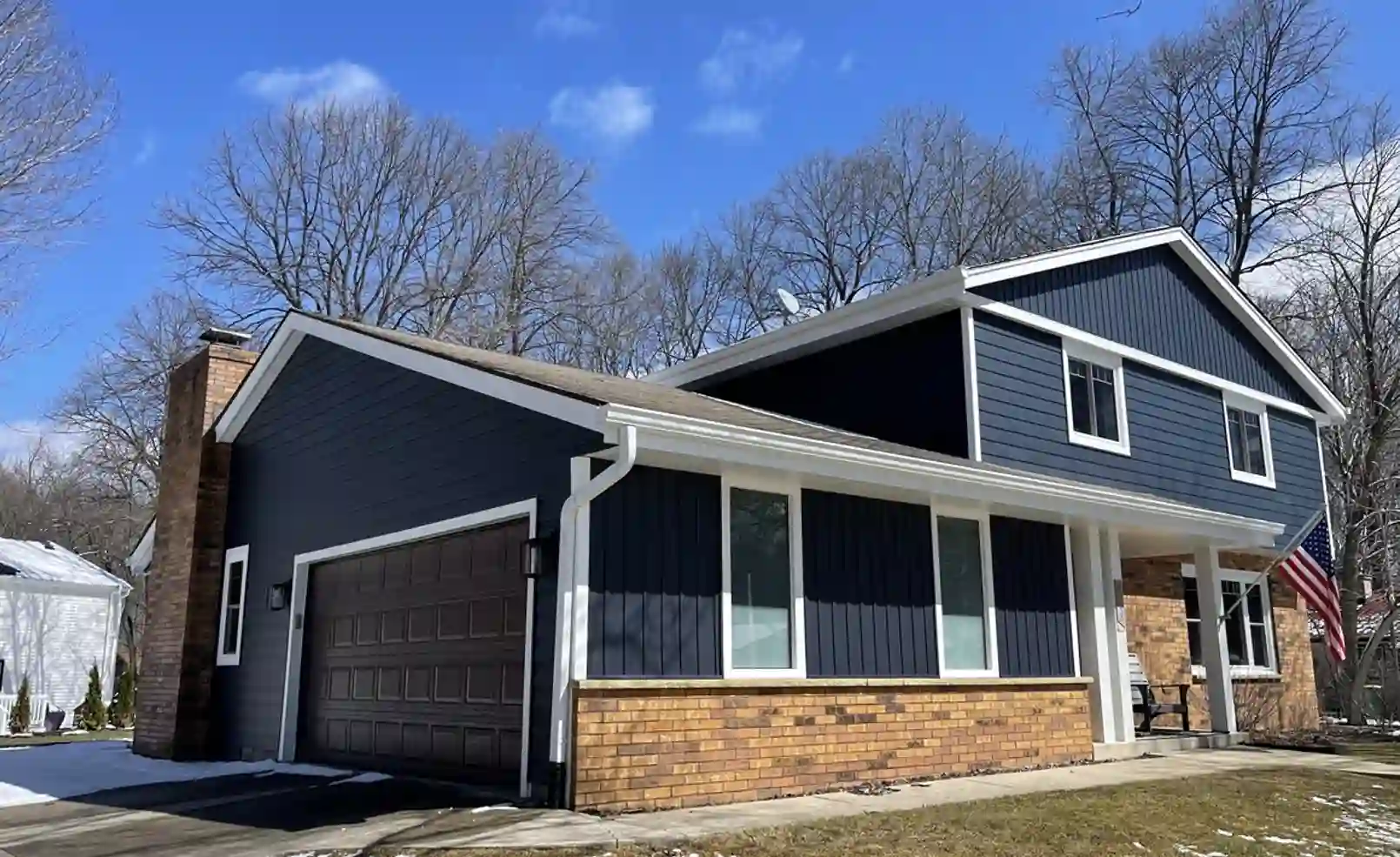
When it comes to making a lasting first impression, your home’s exterior does most of the talking. The design, materials, and structure of your house’s outer shell define its character before anyone even steps inside. A well-designed exterior not only adds to the curb appeal but also reflects the homeowner’s taste, lifestyle, and attention to detail.
Beyond appearances, home sealed exteriors play a critical role in durability and comfort. They protect the home from weather elements, enhance energy efficiency, and contribute to long-term property value. Whether you’re building a new home or renovating an old one, understanding how to create a cohesive, well-sealed exterior can dramatically elevate both aesthetics and functionality.
Key Elements of Home Exterior Design
Designing a home exterior involves more than choosing paint colors or siding textures. It’s about harmonizing architecture, materials, and landscape to form a unified visual statement. Here are some of the core elements that shape exterior design:
- Materials – Wood, brick, stone, vinyl, metal, and composite panels each create different visual and tactile experiences.
- Architectural Style – The chosen style sets the tone, whether you’re drawn to modern minimalism, classical grandeur, or rustic charm.
- Fasade (Façade) – Acts as the “face” of the building, combining symmetry, lines, and proportions that define character.
- Doors and Windows – Vital in balancing aesthetics with practicality, controlling light, airflow, and privacy.
- Outdoor Space – Gardens, patios, and pathways enhance livability and connection with nature.
- Lighting – Both functional and decorative, it highlights features and improves safety.
Table: Comparison of Popular Exterior Styles
| Style | Key Features | Materials Commonly Used | Ideal For | Overall Impression |
|---|---|---|---|---|
| Modern | Clean lines, large glass panes, flat roofs | Concrete, steel, glass | Urban settings | Sleek, sophisticated |
| Classical | Columns, symmetry, ornate details | Stone, stucco, brick | Traditional homes | Elegant, timeless |
| Minimalist | Simplicity, neutral tones | Wood, glass, concrete | Compact houses | Calm, balanced |
| Rustic | Natural textures, warm colors | Wood, stone | Countryside homes | Cozy, earthy |
| Mediterranean | Arched windows, terracotta roofs | Stucco, clay tiles | Coastal regions | Warm, inviting |
The Meaning Behind a Well-Designed Exterior
A beautiful exterior is more than visual appeal—it communicates stability, warmth, and pride of ownership. In architecture, design symbolism plays an important role:
- Symmetry symbolizes order and calmness.
- Natural materials convey authenticity and harmony with nature.
- Large windows represent openness and connection to the outside world.
- Balanced proportions give a sense of stability and comfort.
Architectural experts often emphasize that a well-sealed home exterior merges form and function seamlessly—protecting from external damage while maintaining aesthetic integrity.
Expert Insights: Balancing Function, Beauty, and Character
Architectural professionals like Sarah M. Carter, a leading home design consultant, note that “a well-sealed exterior should not only resist moisture and temperature fluctuations but also elevate a home’s personality.” The best exteriors are those that harmonize function with beauty—offering durability, sustainability, and emotion.
A truly balanced home exterior design takes into account:
- Climate and geography, ensuring proper insulation and resistance.
- Architectural coherence, maintaining unity between rooflines, textures, and colors.
- Maintenance requirements, because longevity is as important as looks.
Psychological Perspective on Exterior Design
From a psychological standpoint, the design of a home’s exterior can influence how occupants feel about their living space. Bright, natural façades can uplift mood, while dark, heavy materials may evoke sophistication or protection.
Modern design psychology suggests that people are more likely to feel safe and relaxed in homes with balanced proportions, natural light, and a connection to outdoor spaces. This reinforces the idea that architecture doesn’t just shape the environment—it shapes human behavior and emotion.
Practical Design Strategies (Code of Practice)
- Plan Around Your Environment – Consider sunlight direction, wind patterns, and noise sources.
- Use Sustainable Materials – Eco-friendly siding and insulation enhance energy efficiency.
- Prioritize Weather Sealing – Ensure gaps, joints, and seams are well-sealed for better insulation.
- Choose Complementary Colors – Harmonize exterior tones with surrounding landscape.
- Integrate Smart Lighting – Use outdoor LED systems for energy savings and visual drama.
Comprehensive Data: Architecture Styles, Materials, and Benefits
| Category | Examples | Key Benefits | Notable Features | Popular Vendors/Services |
|---|---|---|---|---|
| Architecture Style | Modern, Rustic, Minimalist | Defines identity and mood | Varies by geometry and layout | Houzz, ArchDaily |
| Siding Materials | Fiber cement, brick, vinyl | Durability and protection | Low maintenance | James Hardie, CertainTeed |
| Roofing | Asphalt, clay tiles, metal | Weather resistance | Longevity | GAF, Owens Corning |
| Lighting | Solar, LED, motion sensors | Safety and ambiance | Customizable designs | Philips Hue, Lutron |
| Landscaping | Pathways, gardens, fountains | Increases curb appeal | Natural integration | HomeAdvisor, Thumbtack |
How to Use Exterior Design Services
Step-by-Step Planning Guide
- Evaluate Your Needs – Identify whether you want aesthetic updates, insulation improvement, or full renovation.
- Set a Budget – Determine your spending range to guide design choices.
- Consult a Professional Designer – Discuss your vision and get tailored recommendations.
- Review 3D Renderings – Visualize design options before construction begins.
- Execute and Inspect – Work with trusted contractors for precise implementation.
Tips for Choosing the Right Design Service
- Check portfolios and client reviews.
- Look for certifications and warranties.
- Ensure they use weather-sealing and sustainable materials.
- Ask for transparent project timelines and cost breakdowns.
Comparing Popular Home Design Platforms
| Platform | Key Features | Strengths | Weaknesses | Best For |
|---|---|---|---|---|
| Houzz | Large database of design ideas | Community reviews, visual inspiration | Limited contractor control | DIY remodelers |
| HomeAdvisor | Connects homeowners with verified professionals | Easy comparison and booking | Pricing varies widely | Quick service seekers |
| Thumbtack | Custom job matching | Transparent quotes and ratings | Smaller database | Budget-conscious users |
Conclusion
In essence, home sealed exteriors go far beyond looks—they are the foundation of comfort, resilience, and identity. From the choice of materials to architectural alignment, every decision shapes how a home performs and feels. A properly sealed exterior not only protects against the elements but also preserves the home’s long-term beauty and value.
If you’re planning a renovation or new build, consider consulting professional exterior design experts. Their insights can help you create a space that’s not just visually appealing but also emotionally fulfilling—an exterior that welcomes you home every single day.
Frequently Asked Questions (FAQ)
1. What does “home sealed exterior” mean?
It refers to an exterior that is properly insulated and protected against air leaks, moisture, and temperature changes, ensuring durability and energy efficiency.
2. How does exterior design affect property value?
A well-planned exterior increases curb appeal, which can significantly boost resale value and attract potential buyers.
3. What are the current trends in home exterior design?
Sustainable materials, neutral tones, biophilic designs, and smart outdoor lighting are among the top trends.
4. How can I maintain a sealed exterior?
Regularly inspect caulking, repaint surfaces, and clean gutters to prevent leaks and weather damage.
5. Should I hire a professional or do it myself?
While minor updates can be DIY, large-scale projects involving sealing, insulation, or structural design are best handled by professionals for safety and precision.