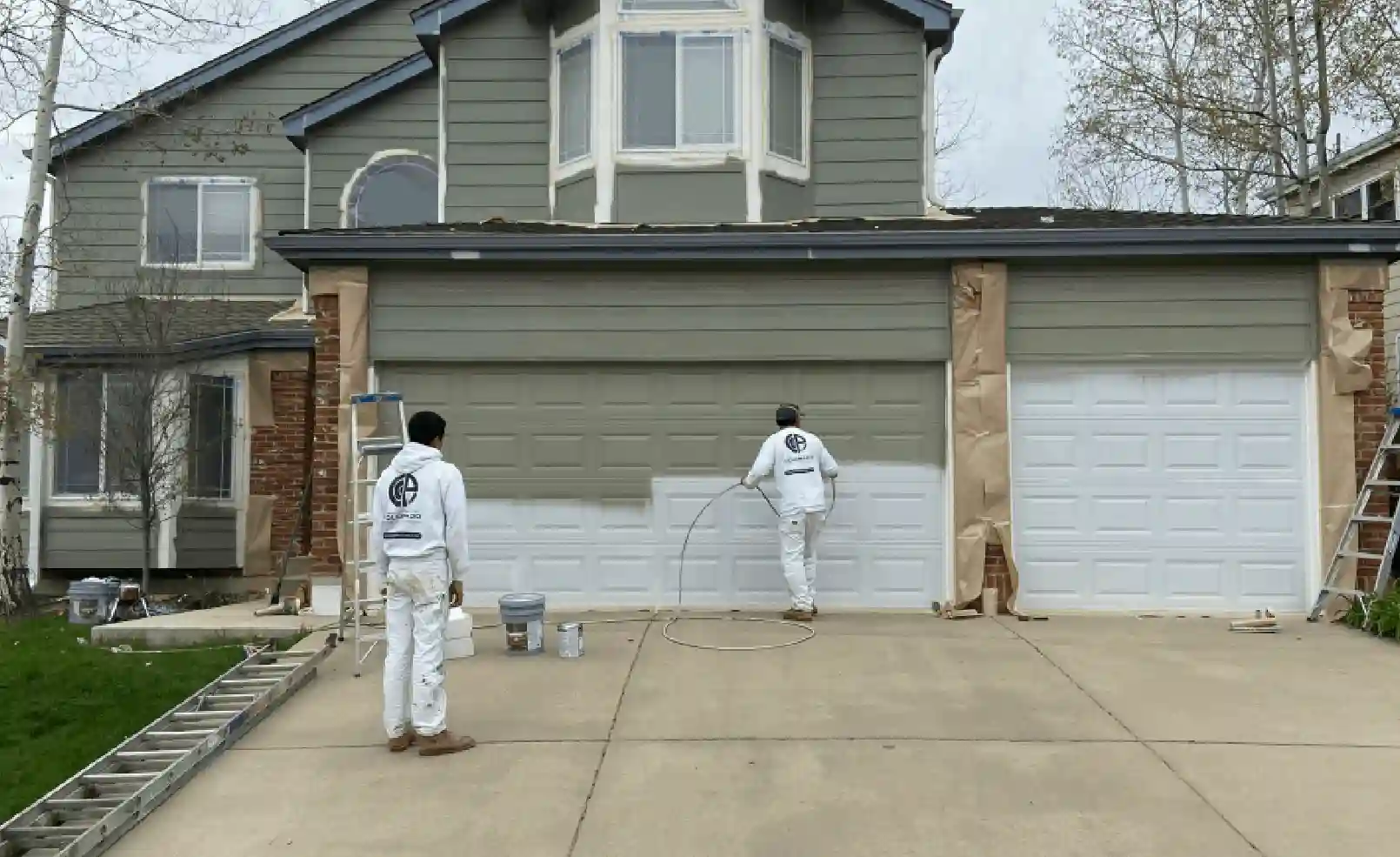
Creating a beautiful home starts from the outside. The residential exterior painting and design of a house play a major role in defining its overall character, mood, and first impression. From the color of your walls to the textures of your façade, every detail contributes to the story your home tells to guests, neighbors, and potential buyers.
In modern architecture and home renovation, exterior design is not just about visual appeal—it’s about harmony, balance, and value. A well-thought-out exterior can significantly increase your home’s curb appeal and resale price. Whether you live in a contemporary urban residence or a rustic countryside house, investing in a carefully designed exterior can transform your property into something truly timeless.
Key Elements of Residential Exterior Design
Exterior design is made up of several interconnected components. Each element adds its own touch to the overall visual and structural harmony of your home.
1. Primary Materials
The materials used in the exterior, such as brick, wood, metal, stucco, or stone, define the architectural tone of your home.
2. Architectural Style
From Modern Minimalist to Classic Colonial or Rustic Farmhouse, the chosen style dictates the design language—simplicity, elegance, or warmth.
3. Facade and Structure
The shape of the façade, the placement of doors and windows, and the rooflines determine the symmetry and balance of the design.
4. Landscaping and Outdoor Elements
A garden, walkway, patio, or driveway plays an essential role in complementing the house’s exterior.
5. Lighting and Color Palette
Proper exterior lighting enhances architectural features, while the color palette creates emotional resonance and character.
Table: Comparison of Popular Exterior Design Styles
| Style | Key Materials | Design Characteristics | Ideal For |
|---|---|---|---|
| Modern | Concrete, Glass, Metal | Clean lines, neutral colors, open façade | Urban areas |
| Minimalist | Stucco, Wood, Metal | Simple forms, functional elements | Small to medium homes |
| Classic | Brick, Stone, Wood | Symmetry, ornate details, warm tones | Traditional neighborhoods |
| Rustic | Wood, Stone | Natural textures, earthy colors | Countryside homes |
| Industrial | Metal, Brick | Exposed structure, raw finish | Loft or warehouse homes |
The Meaning Behind Good Exterior Design
A well-designed exterior reflects balance between form, function, and feeling. Architects often emphasize that exterior design isn’t just about what looks good—it’s about what feels right. The goal is to create a space that’s both inviting and efficient.
According to architectural experts, the harmony between a home’s exterior and its interior defines its overall design success. The use of proportion, light, and texture are central principles. In painting, choosing the right color combination can visually expand or contract the perceived size of a home, impacting both aesthetic and psychological appeal.
The Psychology of Exterior Design
The design and color of a home’s exterior influence not only how others see it—but how residents feel living in it. Soft earth tones tend to create calm and grounded feelings, while bright colors like yellow or blue can energize and uplift moods.
Modern psychology also suggests that the exterior of a home reflects identity. A well-maintained façade signals care, confidence, and pride. That’s why many homeowners feel an emotional renewal after repainting or redesigning their home exterior.
Practical Design Codes (Implementation Tips)
Instead of “lucky numbers” or vague symbols, here are some practical strategies for implementing great exterior design:
- Assess the structure first – Identify strengths and weaknesses of your existing design.
- Pick a color palette that matches the environment – Consider surrounding buildings and nature.
- Mix textures for depth – Combine materials like stone and wood for a more dynamic look.
- Use lighting strategically – Highlight key architectural elements.
- Hire professionals – For lasting quality, choose experts in exterior painting and renovation.
Comprehensive Table of Design Data
| Category | Style | Common Materials | Main Benefits | Recommended Service/Vendor |
|---|---|---|---|---|
| Modern | Concrete, Glass | Sleek aesthetics, energy efficiency | Houzz, HomeAdvisor | |
| Minimalist | Stucco, Metal | Low maintenance, clean look | Thumbtack | |
| Rustic | Wood, Stone | Warmth, natural charm | Local contractors | |
| Classic | Brick, Wood | Timeless elegance, durability | HomeAdvisor | |
| Industrial | Metal, Concrete | Unique texture, strong character | Houzz |
Planning and Choosing the Right Service
Here’s how to approach residential exterior painting and renovation effectively:
- Start with inspiration – Gather ideas from online portfolios or design platforms.
- Set your budget and priorities – Decide which areas matter most (walls, garden, roof, etc.).
- Consult an architect or designer – Get expert input to match your taste and budget.
- Compare contractors and reviews – Platforms like Houzz and Thumbtack are great for this.
- Supervise and maintain – After completion, ensure regular touch-ups to preserve quality.
Comparison: Design and Renovation Platforms
| Platform | Main Features | Pros | Cons |
|---|---|---|---|
| Houzz | Design ideas, service directories, project tools | Huge design library, trusted reviews | Premium services may be costly |
| HomeAdvisor | Local contractor matching, project cost guides | Verified professionals, transparent pricing | Limited design inspiration tools |
| Thumbtack | Fast service connection, flexible pricing | Wide range of freelancers | Quality varies by provider |
Conclusion
Your home’s exterior is more than just a visual boundary—it’s an expression of who you are. Through residential exterior painting and thoughtful design, you can turn a simple structure into a meaningful architectural statement.
From the colors on your walls to the materials under your roof, every choice tells a story. By balancing aesthetic vision with practical function, homeowners can elevate both the beauty and value of their property. Working with professional designers or trusted platforms ensures your dream home becomes a reality that lasts.
Frequently Asked Questions (FAQ)
1. Why is residential exterior painting important?
Because it protects your home from weather damage while enhancing curb appeal and overall property value.
2. How often should a home’s exterior be repainted?
Typically every 5–10 years, depending on the materials and local climate conditions.
3. What colors are trending for modern home exteriors?
Neutral shades like beige, charcoal gray, white, and natural wood tones are currently popular.
4. How can I choose the right design service?
Check portfolios, client reviews, and certifications on trusted platforms like Houzz or HomeAdvisor.
5. What’s the best way to maintain an exterior after renovation?
Regularly clean the surfaces, inspect for cracks or peeling paint, and perform small touch-ups annually.